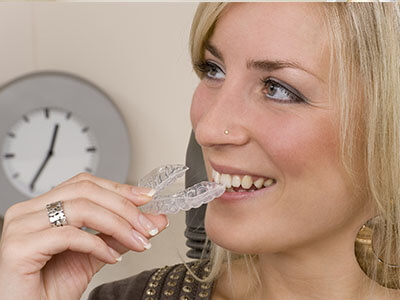
Invisalign® for Teens

Invisalign® offers a discreet, technology-driven approach to straightening teeth that balances clinical precision with everyday convenience. Using a sequence of clear, removable aligners, the system is designed to move teeth methodically toward a planned outcome while fitting into a normal routine. For many adults and teens, Invisalign® provides an effective orthodontic option that prioritizes predictability, oral hygiene, and comfort.
Successful aligner treatment starts with a detailed diagnostic process. A modern digital scan or series of high-resolution images captures the current positions of your teeth and bite relationships. These digital records allow the clinician to analyze tooth movement needs with much greater clarity than traditional impressions alone, and they become the basis for a step-by-step treatment plan.
Using advanced treatment-planning software, your provider maps a sequence of incremental movements. Each aligner is designed to make small, controlled adjustments so that complex tooth movements are achieved over time without abrupt changes. This planned progression is reviewed and adjusted by the treating dentist to reflect clinical judgment and individual goals.
The predictability of the plan is strengthened by periodic clinical checks. Short, scheduled visits allow your provider to verify progress, make minor refinements, and ensure that the teeth are responding as expected. Because the entire movement sequence is visualized in advance, both clinician and patient can see the projected result before active aligners are delivered.
Digital imaging plays a central role in contemporary aligner care. Three-dimensional scans capture the contours of teeth and soft tissues, enabling more precise appliance design than traditional stone models. The 3-D model also facilitates communication between the clinician and the laboratory technology that fabricates each aligner in the series.
Once a treatment plan is finalized, each aligner is custom-formed from clear thermoplastic material to match the planned tooth positions for that stage. These aligners are replaced on a scheduled cadence, guiding teeth gradually toward their intended alignment. Because the aligners are handcrafted to a digital blueprint, they can address a broad range of tooth movements when prescribed appropriately.
For patients, the custom fabrication process means a more comfortable fit and less adjustment at delivery. The predictability of the digital workflow also allows individuals to preview the anticipated changes, which can help set realistic expectations and foster better adherence throughout treatment.
Clear aligner therapy is suitable for many patients seeking to correct crowding, spacing, and mild to moderate bite irregularities. Candidates often choose aligners because they want a less noticeable option than fixed braces, or they value the ability to remove appliances for eating, brushing, and important life events.
Clinical suitability depends on the specific tooth movements required and the overall occlusal (bite) situation. Complex skeletal problems or severely misaligned bites may require adjunctive orthodontic techniques or a referral to a specialist. During an initial evaluation, the dentist will discuss which movements are realistic with aligners and whether supplementary procedures are advisable for optimal results.
Age is not a strict limiting factor. Teenagers who have most permanent teeth in place and many adults who have finished facial growth are commonly treated with clear aligners. The most important considerations are good oral health, realistic treatment goals, and a commitment to wearing the aligners as directed.
Treatment typically begins with an in-office consultation and diagnostic visit, where the clinician records digital scans or impressions, takes photographs, and evaluates the bite. From these data, a personalized treatment plan is developed and discussed in detail so you understand the sequence and estimated duration of care.
When aligners are ready, they are delivered and fitted to ensure comfort and proper engagement of planned tooth movements. Patients are given instructions on wear time, aligner changes, and oral hygiene practices. Regular follow-up visits are scheduled to monitor progress and make any necessary modifications to the plan.
Throughout treatment, patients can remove aligners briefly for meals and oral care, which simplifies hygiene compared with fixed appliances. However, consistent wear—typically the majority of each day—is essential for the system to achieve intended results. Your clinician will provide a schedule and practical tips to help maintain compliance and manage day-to-day wear.
Once the active aligner sequence is complete, maintaining the alignment of teeth is a priority. Retention strategies—including clear retainers or other devices—help preserve tooth positions after active movement. The choice of retention method is individualized based on the case, anticipated relapse risk, and lifestyle factors.
Good oral hygiene remains important throughout and after treatment. Because aligners are removable, patients can brush and floss without navigating around fixed brackets and wires, which can make plaque control more effective. Regular dental cleanings and examinations support long-term periodontal health and stability of the orthodontic outcome.
Routine check-ins with your dental provider after treatment allow for monitoring of retention, occlusion, and any minor changes that may occur over time. Early attention to subtle movement can prevent more significant relapse and help your smile remain stable for years to come.

Invisalign® for Teens

Invisalign® for Brides

Invisalign® for Travelers
Before & After Photos
Invisalign® Videos
FAQs
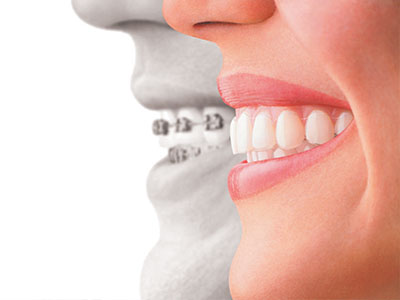
Invisalign® vs Braces
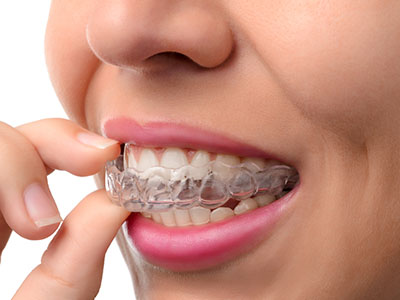
Invisalign® vs Direct-To-Consumer Aligners
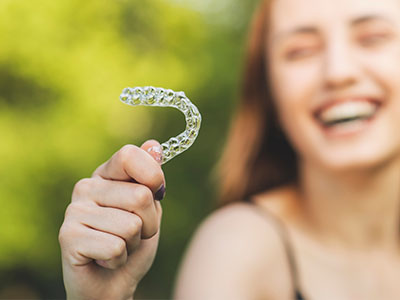
Is Invisalign Right For Me?

Invisalign Costs
With clear aligners that are difficult to notice in everyday life, many patients appreciate the combination of discretion and function. Because the appliances are removable for short periods, you can maintain normal eating habits and an effective oral care routine without brackets and wires obstructing clean-up.
Align Technology, the developer of the Invisalign® system, draws on a large dataset of treatment outcomes to refine materials and manufacturing processes. That research supports design features intended to improve comfort and control across a wide range of tooth movements.
Custom-fitted to your dental anatomy, each aligner in the series performs a specific role in guiding teeth toward the final arrangement. Patients typically switch aligners on a prescheduled routine, gradually revealing changes in alignment as the treatment progresses.
Because aligners are removable, they make routine brushing and flossing straightforward—helping reduce the likelihood of plaque buildup and gum irritation that can accompany fixed appliances when oral hygiene is inconsistent.
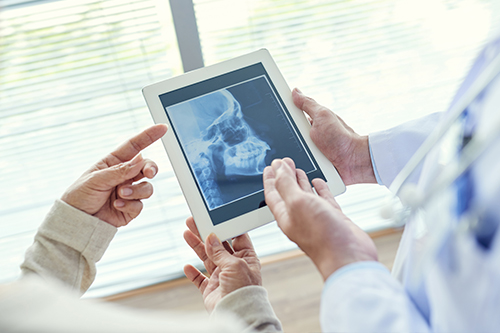
A clinical assessment examines tooth positions, jaw relationships, and oral health to determine suitability for clear aligners. This visit establishes the treatment objectives that will guide planning and appliance design.
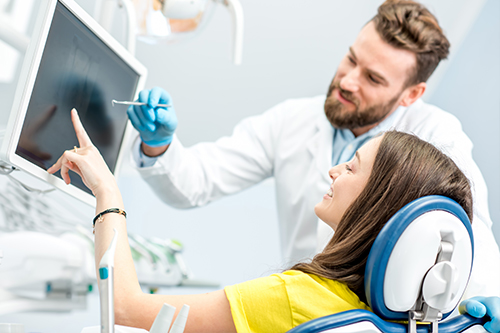
After diagnostic scanning, a digital preview shows the anticipated sequence of movements and the projected end result. Reviewing this visualization helps set expectations and allows for any necessary adjustments before fabrication.
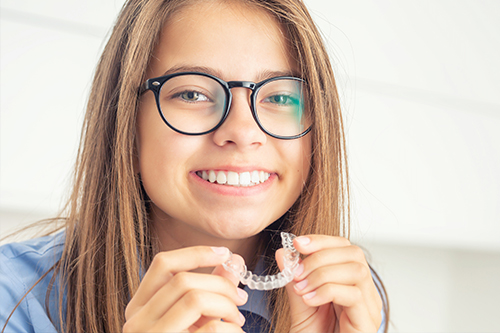
Each aligner is manufactured to the exact specifications of the treatment plan. They are designed to fit snugly while applying gentle forces that encourage teeth to move along the planned path.

From the first aligner to the last, the treating dentist monitors progress and addresses questions. Regular appointments ensure that the treatment stays on track and that outcomes meet clinical goals.
Watch short videos that illustrate treatment stages, patient experiences with aligner care, and clinical perspectives on outcomes.
*Invisalign® is a registered trademark of Align Technology, Inc.
At SmileLine Dental in Herndon, our approach to clear aligner therapy emphasizes careful diagnosis, personalized planning, and attentive follow-up to help patients achieve a stable, healthy smile. If you’d like to learn more about how Invisalign® might fit your goals, contact us for more information and to schedule a consultation.
Invisalign® uses a series of clear, removable aligners to move teeth incrementally toward a planned outcome. Each aligner applies gentle, controlled forces that address specific tooth movements while remaining nearly invisible in everyday settings. Because the appliances are removable, patients can maintain normal eating habits and routine oral hygiene.
Treatment begins with digital scans or high-resolution images that capture tooth and bite relationships and form the basis of a computerized plan. Advanced treatment-planning software sequences the movements so each aligner performs a predictable role in the overall progression. The treating dentist reviews and refines the plan to align clinical judgment with the patient's goals.
Clear aligner therapy is suitable for many people who need correction for crowding, spacing, and mild to moderate bite irregularities. Candidates should have good oral health and be willing to follow wear-time instructions, since consistent daily use is essential to achieve the planned results. Age alone is not a strict limiting factor; both teenagers with most permanent teeth and adults who have finished facial growth can be appropriate candidates.
Some complex skeletal issues or severe bite problems may require adjunctive orthodontic techniques or a referral to a specialist for combined care. The initial evaluation will determine which tooth movements are realistic with aligners and whether supplementary procedures, such as interproximal reduction or attachments, are advisable. A personalized assessment helps set realistic expectations and inform a tailored treatment approach.
The process typically begins with an in-office consultation and diagnostic visit where digital scans, photographs, and a bite evaluation are recorded. From these records a personalized treatment plan is developed and visualized in a three-dimensional preview so the clinician and patient can review the projected sequence. This planning stage guides fabrication of the custom aligner series.
When the aligners are delivered the dentist will check fit and provide instructions on wear time, aligner changes, and oral hygiene. Regular follow-up visits are scheduled to monitor progress, address any concerns, and make refinements to the plan when needed. Patients play an active role by wearing the aligners as directed and attending scheduled appointments for predictable outcomes.
Treatment duration varies widely based on the complexity of the case, the number of movements required, and how consistently the aligners are worn. Many patients complete active aligner therapy within several months to a year, while more complex cases can take longer and may need staged refinements. The individualized treatment plan provides an estimated timeline that is updated as progress is evaluated.
Factors that influence timing include the severity of misalignment, whether additional procedures are needed, and the patient's adherence to recommended wear schedules. Periodic clinical checks allow the dentist to verify that the teeth are responding as planned and to make any necessary adjustments to keep treatment on track. Clear communication about expectations at the start helps patients understand the projected pace and milestones of care.
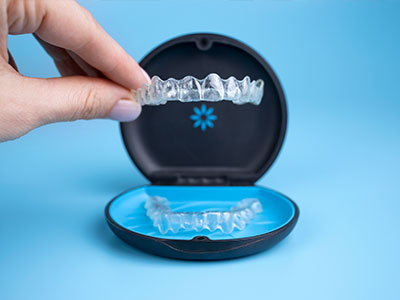
Aligners should be cleaned daily using a soft brush and clear, gentle cleanser or manufacturer-recommended solution; avoid hot water and abrasive toothpaste that can warp or scratch the plastic. Rinse aligners before reinserting them and store them in a protective case when they are removed to prevent loss or damage. Regular, thorough toothbrushing and flossing after meals before putting aligners back in helps minimize plaque buildup and supports gum health.
Continuing routine preventive care with professional cleanings and exams is important while undergoing aligner therapy. The removable nature of the appliances usually makes brushing and flossing easier than with fixed brackets, but patients must remain diligent to prevent cavities and periodontal issues. Your dentist will provide specific hygiene instructions tailored to your needs and monitor oral health throughout treatment.
Some patients experience mild pressure or soreness for the first few days after switching to a new aligner as teeth begin to move; this is generally short-lived and can be managed with over-the-counter pain relievers when needed. The fit is designed to be snug and precise, which supports effective tooth movement while minimizing irritation. If persistent discomfort or fitting issues occur, the treating dentist can evaluate and adjust the plan or appliance to improve comfort.
Changes in speech are typically temporary and most often appear as a slight lisp during the initial adjustment period. Practicing speaking, reading aloud, or wearing the aligners while at home for short periods can accelerate adaptation. If speech changes continue beyond the expected adaptation window, discuss them at a follow-up visit so any fit or design issues can be addressed.
Attachments are small, tooth-colored composite shapes bonded to selected teeth to provide aligners with better grip and allow more complex or controlled movements. Auxiliaries such as elastics, buttons, or temporary anchorage devices may be used in specific cases to address bite relationships that aligners alone cannot correct. These adjuncts are planned during the digital treatment design and are applied selectively to achieve clinical objectives.
Attachments are generally unobtrusive and are removed or polished at the end of active treatment, leaving the tooth surface intact. Their presence can improve the predictability of certain movements and reduce the need for alternative fixed appliances. The dentist will explain the purpose of any auxiliaries and how to care for them throughout the treatment process.
Progress is monitored through scheduled clinical visits and, in many practices, supplemental digital scans or remote tracking tools that document tooth movement between appointments. These checkpoints let the clinician confirm that teeth are moving according to the digital plan and identify areas that may require modification. If teeth are not responding as expected, the dentist can order refinements, which are additional sets of aligners that fine-tune the result.
Digital records collected during treatment facilitate adjustments without repeating the entire workflow, shortening the path to the final alignment when small corrections are needed. Clear communication about wear habits and any issues experienced at home helps the clinical team make timely decisions. Ongoing oversight by the treating dentist is key to achieving the intended outcome with minimal delays.
After active tooth movement is complete, a retention phase is necessary to preserve the new positions of the teeth and reduce the risk of relapse. Retainers—often clear, removable devices—are commonly recommended and are tailored to the individual's needs based on the original concerns and the stability of the result. The dentist will outline a retention schedule and explain how long and when retainers should be worn to maintain alignment.
Long-term oral hygiene and regular dental checkups continue to be important after treatment to support periodontal health and monitor occlusion. Early attention to any subtle shifting allows for conservative measures rather than more extensive re-treatment. Periodic follow-up with the treating dentist ensures retention strategy and occlusion remain effective over time.
To begin, schedule a consultation where the dentist will perform a comprehensive clinical assessment, take digital scans or images, and discuss your goals and expectations for treatment. This visit establishes whether clear aligners are a suitable option and outlines the diagnostic steps that will inform a personalized treatment plan. The team will review oral health needs and any preparatory care required before active alignment begins.
During the consultation you will see a digital preview of the proposed movements and have an opportunity to ask questions about wear schedules, attachments, and the follow-up process. The treating dentist will explain potential limitations and the strategies used to address them, helping you make an informed decision. Clear communication at this stage sets the foundation for a predictable and well-managed treatment experience.