
Contact Us
Office Hours
Monday
11:00 am - 7:00 pm
Tuesday
10:00 am - 5:00 pm
Wednesday
11:00 am - 7:00 pm
Thursday
Closed
Friday
10:00 am - 5:00 pm
Saturday
12:00 pm - 6:00 pm
Alternating Saturdays
Alternating Saturdays
Sunday
Closed
At the office of SmileLine Dental, we view an oral exam as the foundation of lasting dental health. Regular, thorough checkups let our team spot early signs of trouble, tailor preventive strategies to your needs, and keep small issues from becoming larger ones. Our approach combines careful clinical inspection, proven diagnostic tools, and clear explanations so you always understand the “why” behind recommended care.
Your initial visit sets the stage for every future appointment. We begin by reviewing medical and dental histories to identify medications, medical conditions, and lifestyle factors that could affect oral health. This conversation helps us personalize the exam and flag any areas that need special attention, such as sensitive gums, dry mouth, or a history of clenching and grinding.
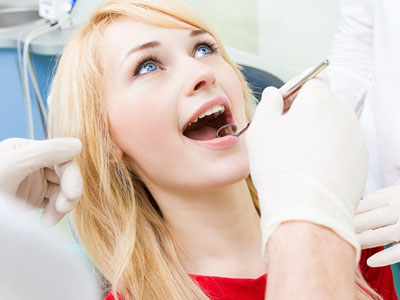
The hands-on portion of the exam is systematic and thorough. We inspect teeth, gums, the tongue, soft tissues, and the surrounding jaw and neck areas. We evaluate bite alignment and the function of the temporomandibular joint (TMJ), and we check for early signs of tooth decay, gum disease, and oral lesions that may require monitoring or further testing.
Diagnostic imaging is used selectively to complete the picture. When needed, we recommend digital radiographs to reveal hidden decay, problems below the gum line, or changes in bone structure that aren’t visible during a visual exam. After the exam and any necessary films, we’ll discuss our findings and outline sensible next steps — whether that’s a simple hygiene appointment, targeted preventive care, or a treatment plan designed around your goals.

Oral health and general health are closely linked. Conditions in the mouth can reflect or influence broader health issues, and vice versa. During an exam, we look for signs that may indicate systemic conditions — for example, unexplained oral lesions, persistent inflammation, or significant changes in saliva flow — and, when appropriate, we advise patients to follow up with their medical providers.
Research increasingly demonstrates associations between chronic oral inflammation and systemic problems such as cardiovascular disease, diabetes management challenges, and respiratory concerns. While these links are complex and still under active study, being attentive to oral health is a practical way to support overall well-being. Routine exams help detect changes early so you and your healthcare team can respond proactively.
We also screen for oral cancer as part of a thorough exam. Early detection of suspicious patches, sores, or persistent lumps dramatically improves treatment outcomes. If we identify anything atypical, we explain the findings clearly and recommend the appropriate next steps for evaluation.

Maintaining a healthy, functional smile requires a combination of excellent at-home care and professional support. Routine exams and professional cleanings remove plaque and tartar that daily brushing and flossing can miss, reducing the risk of cavities and periodontal disease. These visits also give us a chance to reinforce good habits and introduce practical changes that fit your lifestyle.
Scheduling regular appointments helps catch problems early, when treatment is most effective and least invasive. We typically recommend periodic checkups based on your individual risk factors — many patients benefit from twice-yearly visits, while others with higher risk may need more frequent monitoring. During each visit, our hygienists provide careful cleaning, and our clinicians evaluate any evolving concerns.
Education is a central part of preventive care. We demonstrate effective brushing and interdental cleaning techniques and suggest evidence-based tools and routines to maintain a healthy mouth between visits. Our goal is to partner with you so that your daily habits and our in-office care work together to preserve your smile for years to come.
Dental x-rays are an essential complement to a visual exam because they reveal structures below the surface. Radiographs can identify decay between teeth, assess the bone supporting teeth, detect infections at root tips, and show the position of unerupted or impacted teeth. This deeper view enables precise diagnosis and safer, more predictable treatment planning.
Modern digital radiography has made x-rays faster and more comfortable while minimizing radiation exposure. Digital images are available instantly and can be enhanced, measured, and stored electronically. This efficiency not only improves clinical decision-making but also makes it easier to track changes in your oral health over time.
When we recommend imaging, we explain the purpose of each film and how it contributes to your care. We balance the need for information with a commitment to safety, using only the images necessary to make informed clinical judgments.

The practice of dental imaging includes several specific views, each tailored to different diagnostic needs. A periapical film focuses on a single tooth from crown to root and is ideal for evaluating root health and adjacent bone. Bitewing images show the crowns of multiple teeth and are particularly useful for spotting interproximal decay and checking restorations.
Periapical x-ray - A detailed view of an individual tooth and its supporting bone.
Bitewing x-ray - Helpful for detecting decay between back teeth and monitoring bone height near the crowns.
Full Mouth Series - A comprehensive collection of small films that together show the entire dentition.
Panoramic Film (panorex) - A wide, two-dimensional image that captures all teeth and both jaws for a broad overview.
Cephalometric Film - A side-view radiograph used primarily in orthodontic assessment and growth analysis.
For complex cases — implant planning, surgical assessment, or detailed anatomic analysis — three-dimensional imaging such as cone-beam computed tomography (CBCT) can be invaluable. CBCT provides precise spatial information about bone volume, nerve locations, and tooth position, helping clinicians plan safer, more predictable procedures.
Throughout your care, we use imaging selectively and thoughtfully to gather the information needed to protect and restore your oral health. When we recommend a particular type of image, we’ll explain what it will reveal and how it informs your treatment options.
In short, a well-conducted oral exam is more than a quick check — it’s a personalized health assessment that guides prevention, early detection, and thoughtful treatment. Our team is committed to clear communication, careful diagnostics, and practical recommendations that fit your life. Contact us for more information or to schedule an exam and start protecting your long-term oral health.
An oral exam is a systematic clinical assessment of your teeth, gums, soft tissues, jaw joints and surrounding structures that helps detect problems early. It serves as the foundation for preventive care by identifying decay, gum disease, oral lesions and functional concerns before they progress. Routine exams allow the dental team to track changes over time and tailor recommendations to your specific needs.
Because many dental conditions develop without obvious symptoms, regular exams reduce the chance that a small issue becomes a major problem. Exams also provide an opportunity to reinforce daily hygiene habits and introduce practical preventive measures. Taken together, these steps protect both your oral health and your long-term overall well-being.
Your initial visit begins with a review of medical and dental history so the team understands medications, medical conditions and lifestyle factors that may affect care. The clinician will perform a thorough inspection of teeth, gums, tongue and soft tissues, evaluate bite and jaw function, and screen for any suspicious lesions or signs of inflammation. This comprehensive approach ensures nothing important is overlooked and provides a baseline for future comparison.
If needed, the clinician may recommend digital radiographs to evaluate areas not visible during the visual exam, such as between teeth or below the gum line. After the assessment and any imaging, the team will explain findings in clear terms and outline sensible next steps, whether that is a hygiene visit, targeted preventive measures or a customized treatment plan. You will have a chance to ask questions so you leave the appointment informed about your options.
Recommended exam frequency depends on individual risk factors like history of cavities, gum disease, dry mouth, tobacco use and systemic health conditions. Many people benefit from twice-yearly exams and cleanings, while patients with higher risk may need appointments every three to four months for closer monitoring. Your clinician will recommend a schedule based on clinical findings and your personal health profile.
Consistency is important because problems caught early typically require less invasive treatment and have better outcomes. The exam schedule is a working plan that can be adjusted as your needs change, and each visit helps refine preventive strategies. Regular recalls also provide ongoing education to support effective at-home care between visits.
Dental x-rays complement the visual exam by revealing structures beneath the surface, such as decay between teeth, root problems, bone loss and impacted or unerupted teeth. Different views serve different purposes: bitewings for interproximal decay, periapicals for root and bone assessment, and panoramic or CBCT imaging for broad or three-dimensional evaluation in complex cases. These images provide critical information that cannot be obtained by inspection alone.
Modern digital radiography offers faster imaging, lower radiation exposure and the ability to enhance and store images for comparison over time. When imaging is recommended, the clinician will explain what each film will show and how it informs diagnosis and treatment planning. The practice balances diagnostic benefit with safety, using only the images necessary for good clinical care.
An oral cancer screening is an integral part of a comprehensive exam and involves a careful inspection and palpation of the lips, oral mucosa, tongue, floor of mouth, throat and neck for unusual patches, sores or lumps. The clinician checks for persistent red or white lesions, abnormal tissue texture, or swollen lymph nodes that warrant further evaluation. Early detection greatly improves treatment options and outcomes, so screening is treated seriously at every exam.
If anything suspicious is found, the dental team will explain the findings and recommend appropriate follow-up, which may include targeted photographs, a referral for biopsy or collaboration with medical specialists. Patients are encouraged to report persistent changes between visits, such as a sore that does not heal, unexplained numbness or a lump in the neck. Clear communication and prompt follow-up help ensure timely care when needed.
Oral health and systemic health are closely connected, and signs in the mouth can reflect or influence broader medical conditions such as diabetes, cardiovascular disease and respiratory health. Chronic oral inflammation and periodontal disease can complicate systemic conditions, and conversely, medical issues and medications can affect saliva, gum health and healing. During an exam, clinicians look for oral indicators that may prompt coordination with your medical providers.
Being attentive to oral changes supports a proactive approach to whole-person health, since early identification of oral problems allows for interventions that may reduce systemic risk. The dental team can advise on oral-care strategies that complement your medical care and suggest timely medical follow-up when findings indicate a potential systemic concern. Integrating dental and medical perspectives helps protect both oral and overall well-being.
Bring a list of current medications, recent medical diagnoses, and the names and contact information of any treating physicians, as this information affects treatment decisions and safety. Also tell the team about symptoms such as sensitivity, persistent bleeding, dry mouth, jaw pain or any oral sores you have noticed, as these details guide the exam and priorities for care. If you have recent dental records or images from another provider, sharing them can speed diagnosis and planning.
Be prepared to discuss lifestyle factors like tobacco or alcohol use and any oral habits such as clenching or nighttime grinding, since these contribute to risk assessments and preventive planning. If you have concerns about past dental experiences or anxiety, let the staff know so they can accommodate your needs and make the visit as comfortable as possible. Open communication helps the team deliver personalized, safe and effective care.
Oral exams are typically comfortable and noninvasive; most patients experience little or no discomfort during routine inspection and palpation. If radiographs are taken, modern digital imaging is quick and causes no more than brief positioning discomfort for most people. When additional diagnostic tests or treatment are needed, the clinician discusses what to expect and any options for managing sensitivity or anxiety.
The total time for an exam depends on whether imaging or a hygiene appointment is included, but an exam alone commonly takes about 20 to 30 minutes while a combined exam and cleaning may take 45 to 60 minutes. Complex cases that require extra evaluation will naturally take longer to ensure a thorough assessment. The team aims to conduct a careful, efficient visit while leaving time to explain findings and answer your questions.
Oral exams are performed by licensed clinicians such as dentists and dental hygienists who are trained to evaluate oral health, interpret imaging and recognize signs that require further investigation. Dentists complete accredited dental school programs and hold state licenses, while hygienists are trained in preventive care, periodontal assessment and patient education. Both professionals work together to provide a coordinated, evidence-based assessment.
At the office level, clinicians follow established protocols and continuing-education standards to stay current with diagnostic techniques and safety practices. If a finding requires specialized care, the dental team coordinates referrals to appropriate specialists and communicates the reasons for referral. Patients benefit from this collaborative approach because it combines prevention, early detection and timely treatment when necessary.
Daily self-care is the backbone of preventive dentistry and includes brushing twice a day with fluoride toothpaste, cleaning between teeth daily with floss or interdental cleaners, and using any additional aids recommended by your clinician. Good nutrition, limiting tobacco and moderating sugary beverages also reduce risk for decay and gum disease. Consistent at-home habits make professional cleanings and exams more effective and help prevent common problems.
Follow any personalized instructions your dental team provides, such as using a prescription mouthrinse, managing dry mouth symptoms or wearing a nightguard for clenching and grinding. Report any new symptoms between visits so the team can address concerns promptly rather than waiting for your next scheduled exam. A partnership between your daily care and professional monitoring preserves function and keeps your smile healthy over time.
